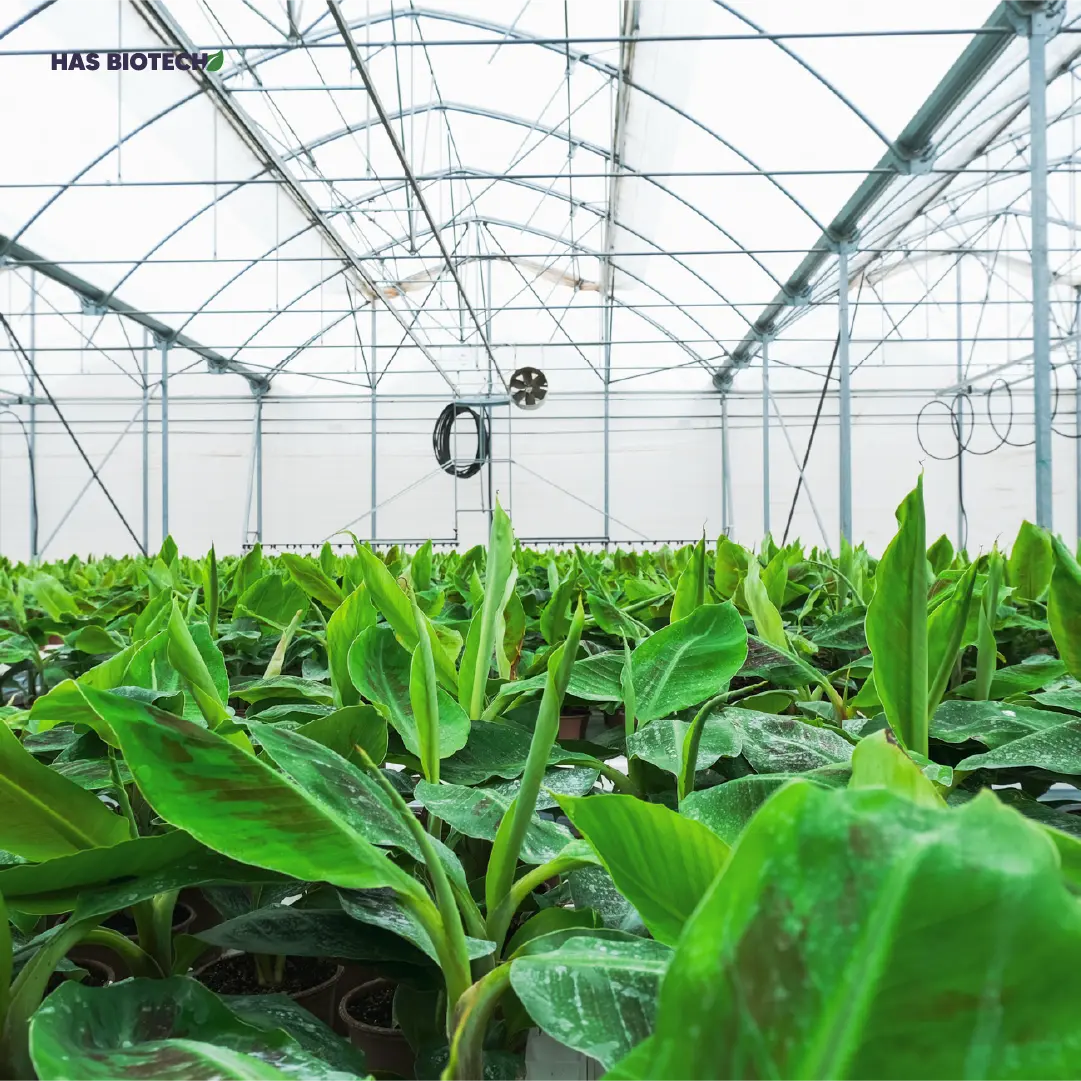
Our tissue-culture range begins in a sterile laboratory — not in soil.
Tissue culture is how our laboratory partner HasBiotech propagates the plants. Here is what it means, how it works, and why it matters to you as a buyer.
A single meristematic cell. Millions of genetically identical plants.
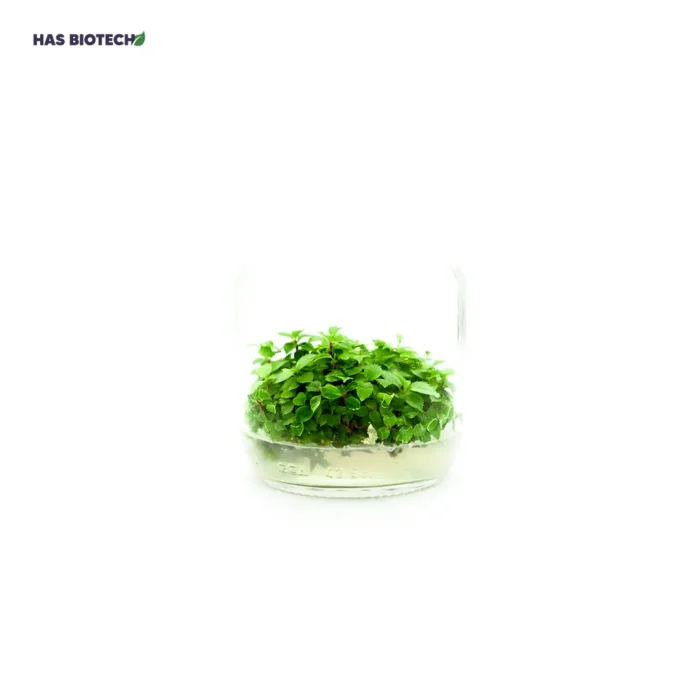
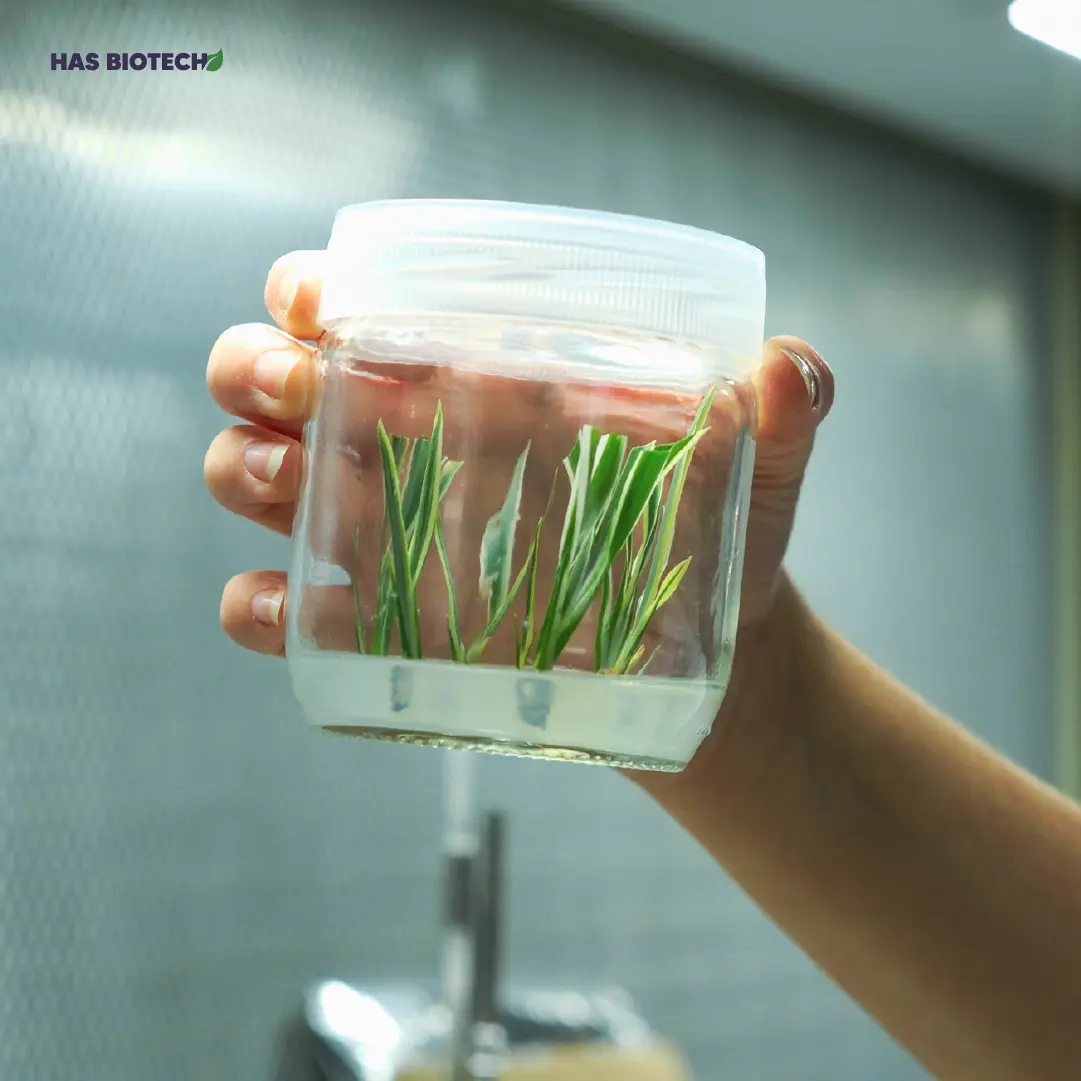
Tissue culture — or micropropagation — is the process of propagating plants from tiny amounts of plant tissue (meristems, shoot tips, or nodes) in sterile, controlled laboratory conditions. The tissue is placed on a nutrient-rich agar medium in sealed vessels, where it multiplies rapidly under precisely controlled light, temperature, and humidity.
Unlike conventional propagation methods (seed, cutting, division), tissue culture produces plants that are:
- Genetically identical to the mother plant
- Started from cleaned, checked tissue, with virus-indexing results on request
- Produced in controlled, documented laboratory conditions
- Far less tied to the season than cuttings or seed
Genetic Uniformity — Every TC Plant Identical
Every plant is genetically identical to every other plant in the batch. For retail chains worldwide that need visual consistency across hundreds of stores — the same height, the same leaf shape, the same growth stage — this is not a luxury. It is a requirement. Conventional propagation cannot deliver this. Tissue culture does, by definition.
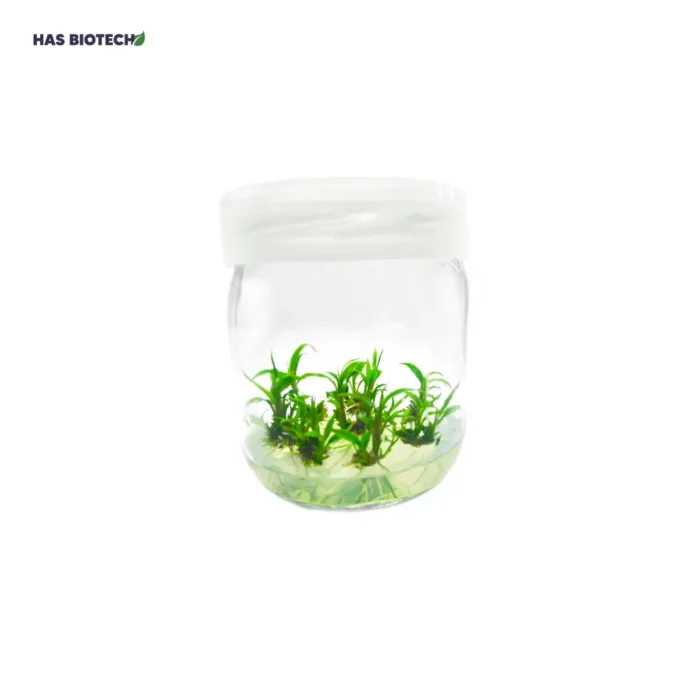
Clean Starting Stock
Tissue-culture material starts from tissue that is cleaned and checked before it enters the laboratory, and HasBiotech makes virus-indexing results for that material available on request. Plants grown on afterwards in a nursery are as healthy as that nursery keeps them, which is why every consignment is inspected at origin before its phytosanitary certificate is issued.
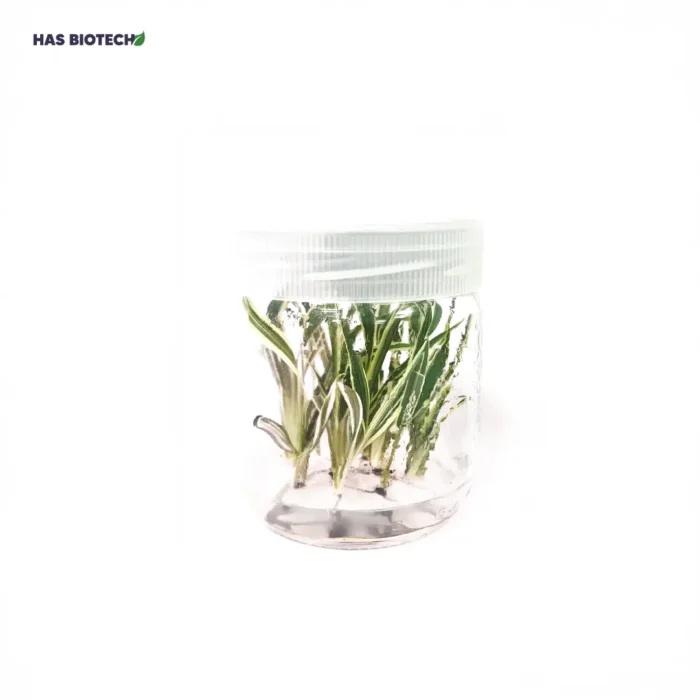
Scale — From Explant to Export
From a single explant, tissue culture can produce very large numbers of identical plants within months. When a buyer commits to annual volumes, our laboratory partner can plan propagation to meet them, without the years a conventional mother-plant programme needs.
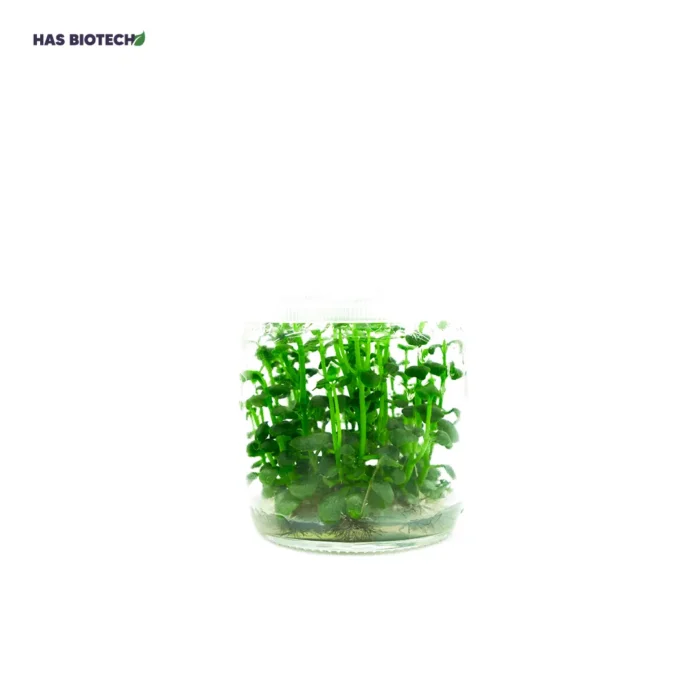
Less Dependent on the Season
Conventional propagation is seasonal: mother plants and cuttings are not always available. Tissue-culture propagation is far less tied to the calendar, so many lines are available through the year. Grown-on container plants still follow the growing season.
Documented from Laboratory to Consignment
Tissue-culture plants come from documented laboratory protocols, which is what importers and inspectors ask about. Every consignment is inspected at origin and travels with its phytosanitary certificate; some plants may only enter the EU under specific conditions, which we check before we quote.
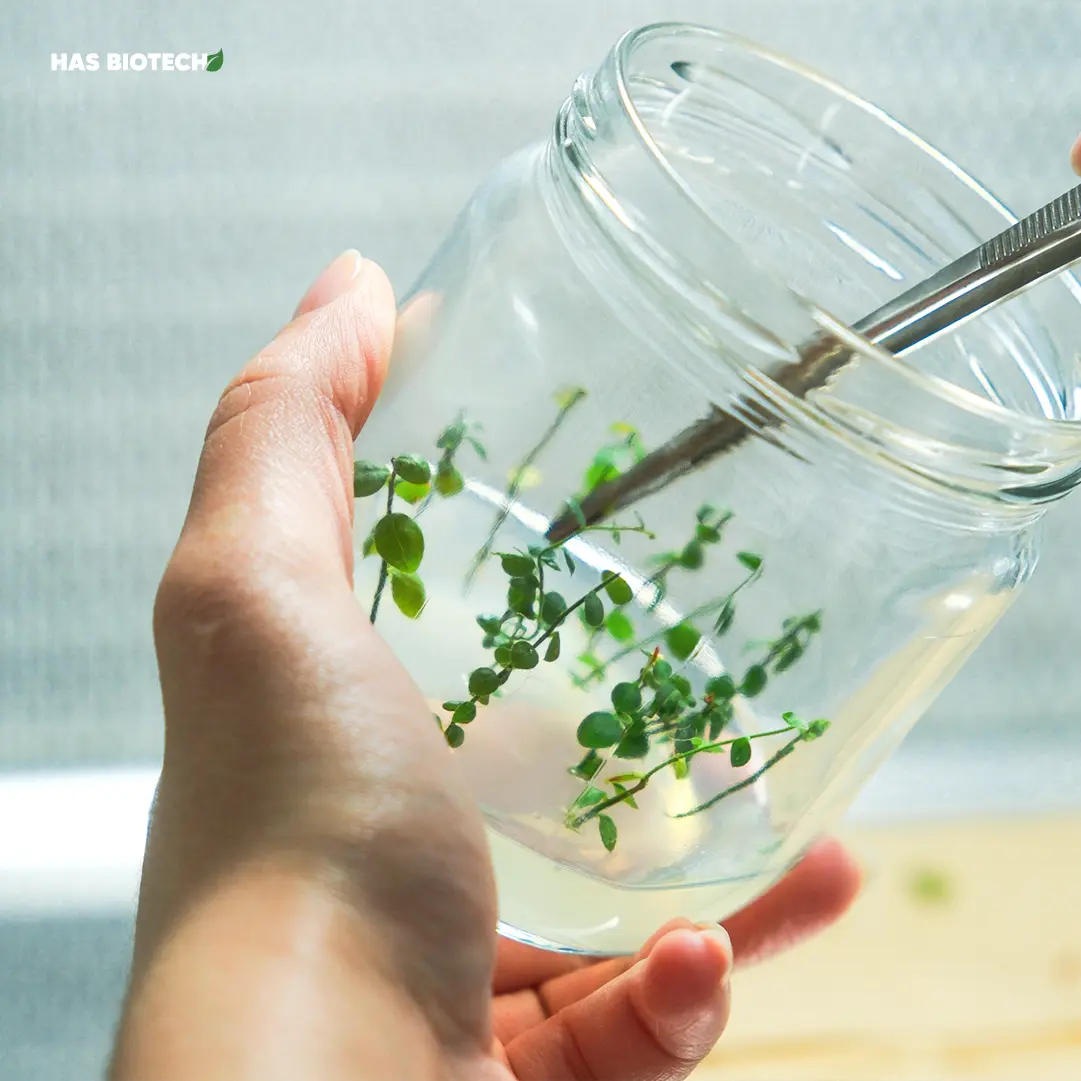
Produced at HasBiotech — Antalya's leading TC facility.
Our tissue culture plants are propagated at the HasBiotech laboratory in Antalya, Türkiye, a standing partnership. It specialises in ornamental plant micropropagation and has built one of the most rigorous production and documentation systems in the region. It works to documented laboratory protocols, with virus-indexing results on request.
Visit has-biotech.com.tr ↗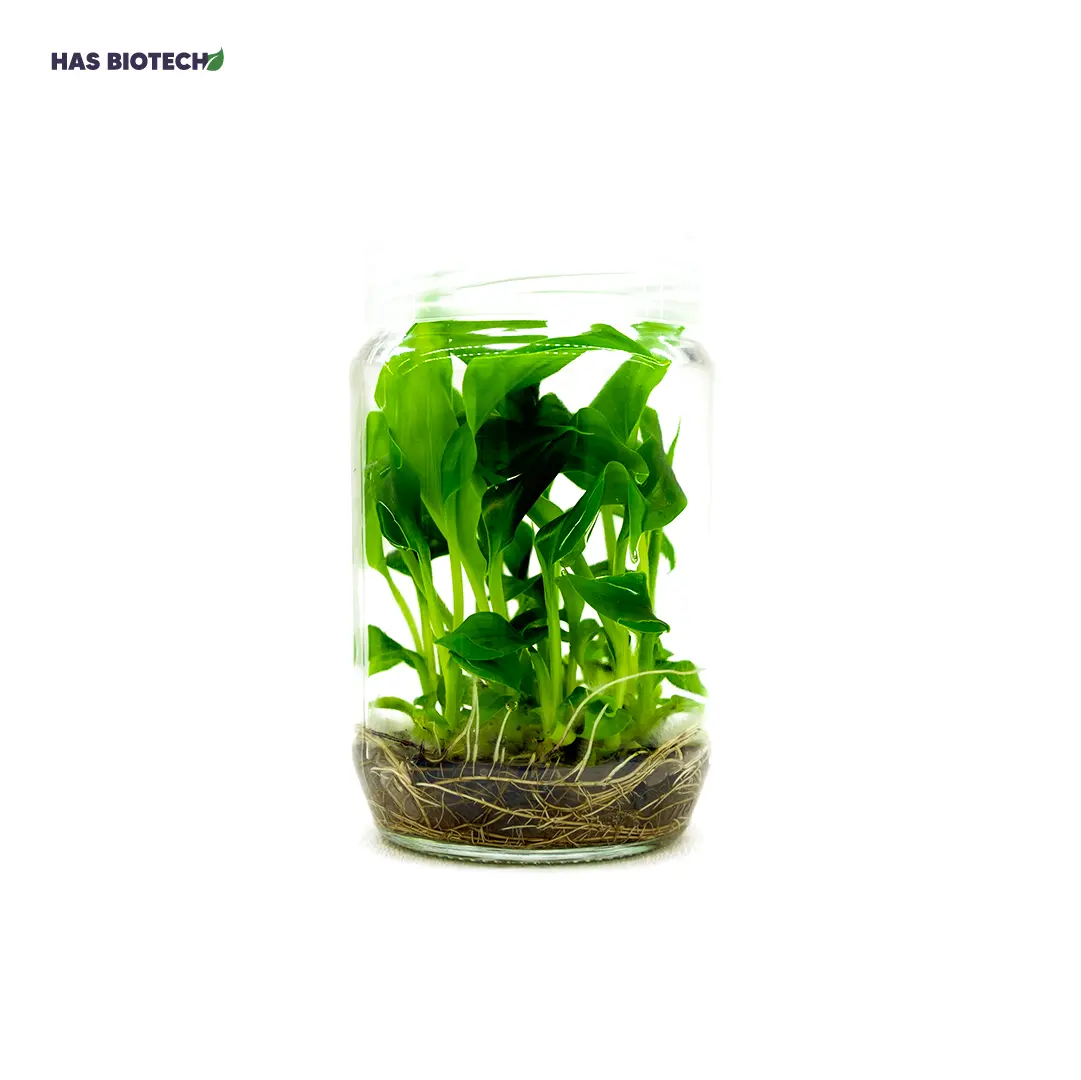
Documentation We Provide Per Shipment
| Document | Issued By | Timing |
|---|---|---|
| Phytosanitary Certificate | Turkish GKGM, after inspection at origin | Per consignment |
| Commercial Invoice | BYS Flora International | Per consignment |
| Packing List | BYS Flora International | Per consignment |
| Proof of Origin | At origin, in the form the route requires (for EU import, preferential proof where it applies) | As the route requires |
| Virus Indexing Results | Our laboratory partner (TC material) | On request |
Want to see our TC documentation before placing an order?
Request a sample certificate package from our export team.
Contact Barkın